
The argument in favor of using filler text goes something like this: If you use any real content in the Consulting Process anytime you reach.




Wildlife-Friendly Planting for Historic Walled Gardens
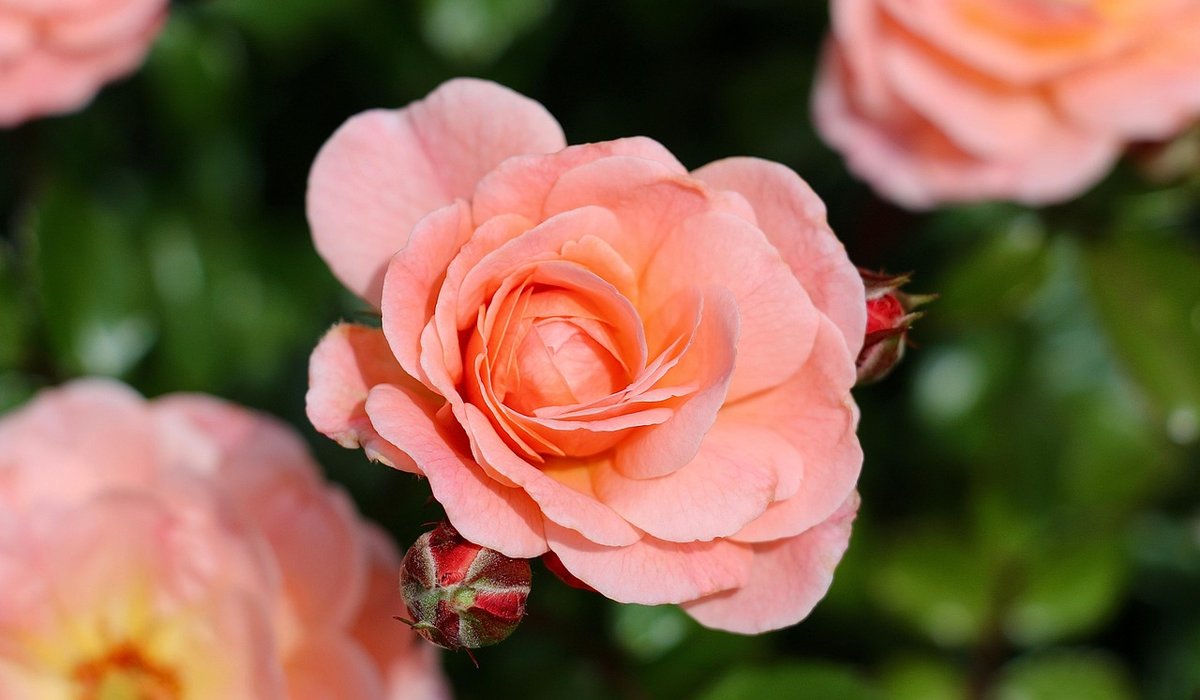
Why a Walled Garden Suits Wildlife So Well
There is a reason old walled gardens feel so alive. Those mellow brick and stone walls soak up the sun all day and release it slowly through the evening, creating a pocket of warmth that can be several degrees kinder than the open park beyond. Tender plants survive here that would perish elsewhere, and in return they flower earlier and for longer, offering nectar at exactly the moments when the wider landscape is bare.
The walls themselves are just as valuable. Soft old mortar, crumbled at the joints, is a nursery for solitary bees and a hibernation spot for lacewings. Ivy and climbing roses give cover for nesting birds. Frost still gathers in the low corners, so treat those hollows as a feature rather than a problem: they suit damp-loving plants and provide cool, sheltered spots for frogs and beetles. Think of the whole enclosure as a habitat with its own weather, and plant accordingly.
Flowers for Nectar, Spring Through to First Frost
The secret is to keep something in bloom for as much of the year as possible, in generous drifts rather than single specimens. Bees, hoverflies and butterflies forage more efficiently when a reward is easy to find, so plant in clumps of three, five or more of the same variety.
- Earliest days: hellebores, pulmonaria, crocus, and early wallflowers along a south-facing base. These are a lifeline for queen bumblebees emerging from hibernation.
- Late spring: comfrey, alliums, honesty, and the blossom of trained fruit, which is often the first serious source of pollen in the year.
- High summer: catmint, lavender, hyssop, sea holly, marjoram, thyme, and verbena. All are drought-tolerant once settled and adore the baking warmth at the foot of a wall.
- Autumn: asters, sedum, dahlias with open centres, and single-flowered Japanese anemones, which will still be feeding late bumblebees long after the borders have faded.
Choose single or semi-double flowers wherever you can. Doubles may look sumptuous, but their crowded petals hide the nectar and pollen that insects have come for. Erigeron, foxgloves and aquilegia will seed themselves into mortar joints and gravel paths if you let them, which is precisely the sort of planting this setting rewards.
Berries, Hips and Haws for the Birds
Flowering is only half the story. To keep birds in the garden through winter, you need fruit that persists on the branch when everything else has gone.
- Wall shrubs: pyracantha and cotoneaster trained against brick, both flowering for bees in summer and holding berries deep into the cold.
- Hedging and boundary planting: holly, hawthorn, yew, and guelder rose, with rowan and elder where there is room to spare.
- Wilder additions: dog rose and field rose for hips, and a stretch of ivy left unclipped. Ivy is one of the finest wildlife plants in Britain — nectar and pollen in autumn when little else offers either, and black berries for thrushes in late winter.
Resist the urge to clip berry-bearing shrubs in early autumn. The fruit is the point, and it will be stripped by blackbirds, redwings and fieldfares just when the garden most needs life in it.
Let a Few Corners Run Untended
A perfectly groomed walled garden is a poor one for insects. Leave a small pile of logs in a shady corner, retain a patch of fallen leaves, and allow hollow stems of old perennials to stand through winter rather than cutting everything to the ground. Ladybirds, solitary bees and hedgehogs all rely on this quiet debris.
Look at your walls with fresh eyes. Gaps behind loose coping stones, crevices where render has fallen away, and the sheltered cracks of a retaining wall are all potential nest sites. Where mortar is sound, leave it; where it has already crumbled, consider leaving a section alone. This is far more useful than any bought-in habitat.
Water, Shelter and the Smallest Inhabitants
Even a shallow dish sunk to the rim of a border will draw in birds, bees and hedgehogs, provided you add a few stones for safe access and top it up in dry spells. A small raised pool in a sunny spot, with a gently sloping edge, will be colonised by damselflies within a season or two.
For solitary bees, sink a few hollow canes or drilled blocks of untreated timber into a warm south-facing wall at waist height, or simply leave dry-stone edging undisturbed. Avoid pesticides entirely; if aphids become troublesome, let the ladybirds and blue tits do the work they are already inclined to do.
Working With the Seasons, Not Against Them
The most useful habit is a seasonal one. Carry out major pruning in winter, well outside the nesting season, and save hedge trimming for late summer or early spring so it does not disturb birds on the nest. Leave seedheads standing through the worst of the weather and cut them back as the first buds swell.
Mulch with home-made leaf mould and compost, plant densely enough that bare soil is rare, and accept a little nibbling here and there as the cost of a living garden. A walled garden kept this way asks slightly less of you each year, not more, and repays the restraint tenfold in bees, birdsong and quiet, creeping abundance.

Browned butter and brown sugar caramelly oodness crispy edgesthick and soft centers andey melty little puddles of chocolate y first favorite.Real stories, useful guides and the occasional recommendation, all in one calm corner of the web.
Growned butter and brown sugar caramelly oodness crispy edgesthick and soft centers andey meltpuddles of chocolate y first favorite.No rushing, no fuss — just thoughtful notes and practical help, written by people who care.
Learn to spot Tudor windows, Georgian symmetry, and Victorian additions when visiting or restoring a traditional British country house.
Thomas A. Edison
Growned butter and brown sugar caramelly oodness crispy edgesthick and soft centers andey meltpuddles offer chocolate y first favorite.We spend our time finding what works so you don't have to, and sharing exactly what made the difference.e breathing, we blessed. Surround yourself with angels.

Customer Engagement Marketing New Strategy for the Economy
Discover how espaliered fruit trees, raised beds, and companion planting can turn a modest plot into a productive kitchen garden.
- Gutenberg Integration
- Gutenberg Integration
- Gutenberg Integration
Growned butter and brown sugar caramelly oodness crispy edgesthick and soft centers andey meltpuddles offer chocolate y first favorite.Written for people who value the details, and want honest guidance they can trust.e breathing, we blessed. Surround yourself with angels.

Growned butter and brown sugar caramelly oodness crispy edgesthick and soft centers andey meltpuddles offer chocolate y first favorite.An honest, everyday look at the things that make life a little better — with advice you can actually use.e breathing, we blessed. Surround yourself with angels.

Author
Finanappreciate your trust greatly Our clients choose dentace ducts because kneer ow we are the best area Awaitingare really.

Previous Post


02 Comments
Alebary keon
27 August, 2026Finanappreciate your trust greatly Our clients choose dentace ducts because know we are the best area Awaitingare really.
Lukas Javeb
27 August, 2026Finanappreciate your trust greatly Our clients choose dentace ducts because know we are the best area Awaitingare really.