
The argument in favor of using filler text goes something like this: If you use any real content in the Consulting Process anytime you reach.




A Beginner's Guide to Historic Manor House Architecture
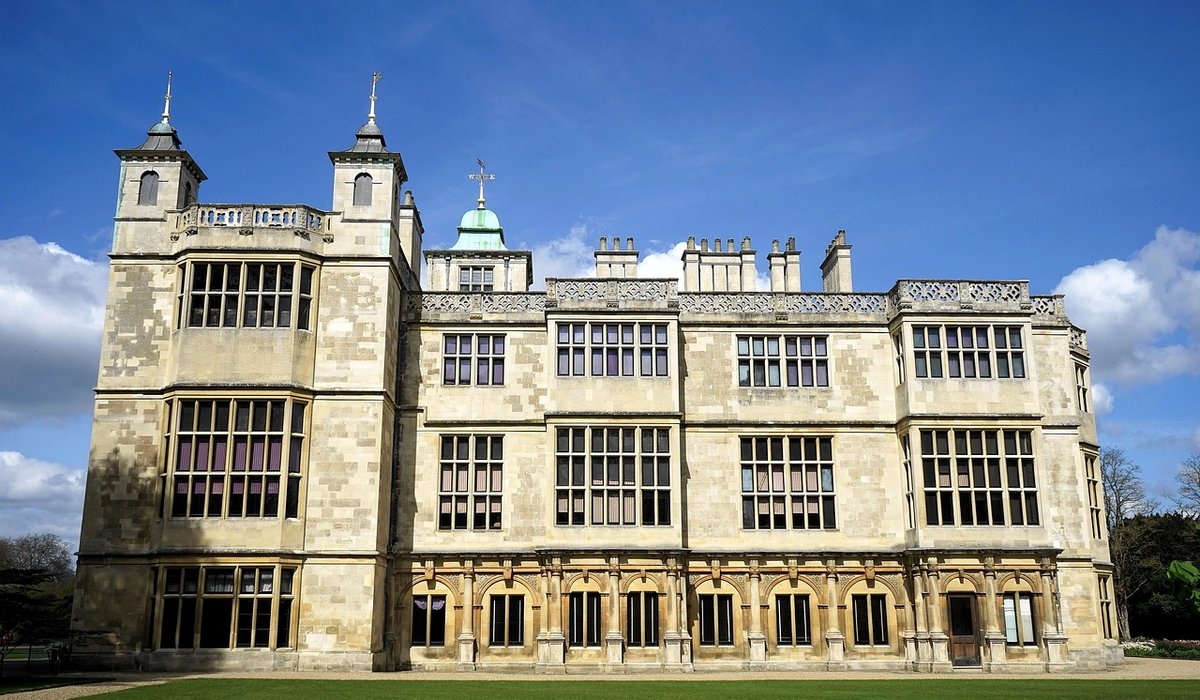
Nothing quite prepares you for the first glimpse of an old English manor house across its parkland — the long roofline, the cluster of chimneys, the garden walls running off into the distance. But once you know what you are looking at, that first glimpse becomes a conversation. Every window, brick and roof pitch is a date stamp, and learning to read them turns a pleasant afternoon out into something far more absorbing.
Start with the Shape and the Roof
Before you look at detail, step back and take in the silhouette. The overall plan usually tells you the story: a great hall running one way, a cross wing at one end, and a stack of later additions behind. Manor houses grew by accretion rather than design, so irregularity is normal and often the most honest evidence you will find.
Look at the roof pitch. Steep pitches of around 50 degrees suggest medieval or Tudor work, where thatch and stone slates needed the angle to shed water. Shallower pitches, hidden behind a parapet or a hipped roof, usually point to the Georgian period, when fashion favoured a tidier roofline. Chimneys matter too: a single massive stack in the middle of the plan is a medieval arrangement, while tall, slender stacks at the gable ends belong to later centuries.
Tudor and Elizabethan: Timber, Mullions and Chimneys
Tudor houses are the ones people recognise instantly, and they are rarely subtle. Watch for these markers:
- Mullioned windows. Stone uprights dividing the opening into two or three lights, often with a transom across the middle. Windows grew wider and taller as the sixteenth century progressed, filling the house with light.
- Hood moulds. A small projecting ledge above a window, casting a shadow line and throwing rain clear of the opening.
- Close studding. Timber framing with uprights set closely together, usually on the ground floor where it could be displayed, with wider spacing above.
- Tall, ornate chimneys. Twisted or diagonal brick shafts became a status symbol — a way of showing you could afford both bricks and firewood.
- Diaper brickwork. Bricks laid in a diamond pattern using darker headers, a fashionable touch on Elizabethan chimneys and gables.
The giveaway inside is the great hall: a tall, open room with a hearth, a screen passage and, before the sixteenth century, smoke drifting up to a louvre in the roof rather than into a chimney.
Georgian Symmetry: Order, Proportion and Brick
Walk around to the front of a Georgian house and you can usually guess where the door is before you see it. Symmetry rules everything. The entrance sits dead centre, windows balance either side, and the whole elevation is arranged on a simple ratio of width to height.
The details to look for are precise and consistent:
- Sash windows. Sliding sashes, typically six panes over six in the earlier eighteenth century, later becoming two over two as glass-making improved and larger panes became affordable.
- Gauged brickwork. Rubbers cut and laid to make flat arches over windows and doors, often with a keystone or a stone lintel.
- Flemish bond. Alternating headers and stretchers in the wall face, giving a neat, regular texture. Earlier brickwork tends to be thicker and less even.
- Restrained doorcases. Pediments, fanlights and slender columns — classical, but rarely heavy.
Inside, expect a central staircase hall, higher ceilings on the ground floor and sash windows with internal shutters still sliding in their boxes. If the shutters have survived, treat them as a small treasure; they are far easier to repair than to replace.
Victorian Layers and Service Wings
Most manor houses had a Victorian or Edwardian shake-up: a new wing, a reordered entrance, a conservatory, or a complete re-fronting in a fashionable style. This is where houses become honest hybrids, and half the fun is spotting the joins.
Look for sash windows with horns — small lugs at the top corners of the upper sash, introduced when sash weights became lighter. Bay windows, plate glass, polychrome brickwork, terracotta ridge tiles and decorative cast-iron rainwater goods all belong to this period, as does the Gothic Revival's taste for pointed arches and tracery.
Remember the back of the house. Victorian country living depended on a small army of servants, and the service wing tells you how the place actually ran: kitchen, scullery, pantry, larder and dairy arranged in a workmanlike row, often with a bell system and separate stairs. Brick-lined tunnels, garden bothies and estate workshops may survive too.
Gardens, Walls and the Wider Setting
A manor house is never just a building. The garden carries as much history as the façade, and its bones are often older than the planting.
- Walled kitchen gardens. Tall brick walls with buttresses and a heated flue or two, plus the remains of glasshouses and cold frames.
- Ha-has. A sunken boundary ditch that keeps livestock out of the pleasure grounds without a visible fence.
- Formal terracing and yew. Clipped evergreens often pre-date the house's later alterations, so a yew avenue may be older than the windows looking onto it.
- Parkland and avenues. Long straight approaches, clumps of cedar and sweet chestnut, and boundary walls running for miles — all designed to frame the view.
Practical Checks Before You Visit or Restore
If you are visiting, take a small sketchbook and note how the roofline changes along the elevation; that is nearly always where the phases meet. Photographs of the rainwater goods, window joinery and brick bond will help you date features later.
If you own or are considering an older house, start with a proper understanding of the building. Listed building consent is usually required for alterations — inside as well as out — and a conservation officer will want to see that you understand the fabric. The single most important technical point is breathability: use lime mortar, lime plaster and linseed paints rather than cement and modern sealants, which trap moisture and quietly destroy soft brick and timber. Repair sash windows where you can; a well-maintained sash outlasts most replacements. Keep gutters and downpipes clear, and let old walls dry outwards as they were designed to do. Look after the bones, and the house will keep telling its story for another century.

Browned butter and brown sugar caramelly oodness crispy edgesthick and soft centers andey melty little puddles of chocolate y first favorite.Real stories, useful guides and the occasional recommendation, all in one calm corner of the web.
Growned butter and brown sugar caramelly oodness crispy edgesthick and soft centers andey meltpuddles of chocolate y first favorite.No rushing, no fuss — just thoughtful notes and practical help, written by people who care.
Discover how espaliered fruit trees, raised beds, and companion planting can turn a modest plot into a productive kitchen garden.
Thomas A. Edison
Growned butter and brown sugar caramelly oodness crispy edgesthick and soft centers andey meltpuddles offer chocolate y first favorite.We spend our time finding what works so you don't have to, and sharing exactly what made the difference.e breathing, we blessed. Surround yourself with angels.

Customer Engagement Marketing New Strategy for the Economy
Explore wool, linen, and silk blends that suit historic rooms while offering practical durability for modern family life.
- Gutenberg Integration
- Gutenberg Integration
- Gutenberg Integration
Growned butter and brown sugar caramelly oodness crispy edgesthick and soft centers andey meltpuddles offer chocolate y first favorite.Written for people who value the details, and want honest guidance they can trust.e breathing, we blessed. Surround yourself with angels.

Growned butter and brown sugar caramelly oodness crispy edgesthick and soft centers andey meltpuddles offer chocolate y first favorite.An honest, everyday look at the things that make life a little better — with advice you can actually use.e breathing, we blessed. Surround yourself with angels.

Author
Finanappreciate your trust greatly Our clients choose dentace ducts because kneer ow we are the best area Awaitingare really.

Previous Post


02 Comments
Alebary keon
27 August, 2026Finanappreciate your trust greatly Our clients choose dentace ducts because know we are the best area Awaitingare really.
Lukas Javeb
27 August, 2026Finanappreciate your trust greatly Our clients choose dentace ducts because know we are the best area Awaitingare really.