
The argument in favor of using filler text goes something like this: If you use any real content in the Consulting Process anytime you reach.


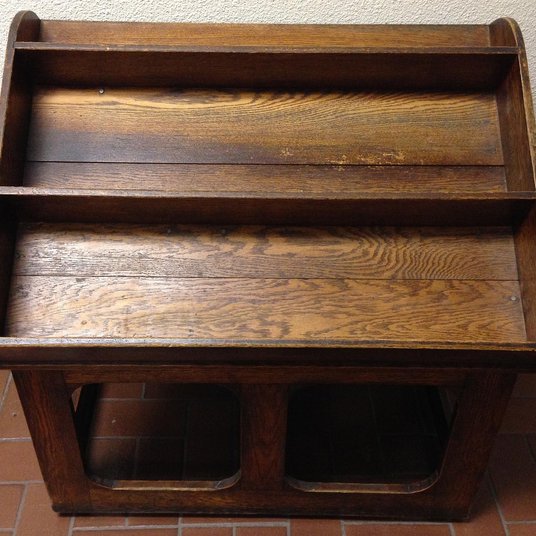


Caring for Antique Wood Furniture in Damp Rooms

There is a particular smell in an old country house on a wet November morning: cold stone, woodsmoke, and the faint sweetness of beeswax. It is a comforting smell, but it is also a warning. Damp is the quiet enemy of antique furniture, and in Britain we have plenty of it. Oak settles, walnut chests, and mahogany dining tables were made for these islands, yet centuries of central heating, blocked chimneys and modern double glazing have left many of them living in conditions their makers never imagined.
The good news is that looking after such pieces is not complicated. It simply asks for patience, a little knowledge, and the willingness to work with the seasons rather than against them.
Understanding What Damp Does to Old Timber
Wood is not dead. Even a three-hundred-year-old oak coffer still responds to the moisture in the air around it, swelling in humid weather and shrinking as rooms dry out. When relative humidity sits above roughly 65 per cent for long periods, several things begin to happen at once. Veneers lift at the edges, drawers swell and stick, joints loosen, and a white haze can bloom across polished surfaces. Worse still, damp encourages woodworm and mould, and mould left undisturbed will stain and pit the surface beneath it.
Below about 40 per cent, the opposite trouble begins: splits along the grain, lifted inlay, and a dull, dry look that no amount of polish will disguise. The aim, therefore, is steadiness. Somewhere between 45 and 55 per cent relative humidity suits most antique furniture beautifully, and it matters far more that the figure stays constant than that it is perfect.
Reading the Room Before You Reach for the Cloth
Before treating any piece, spend a week observing where it stands. Antiques placed against a cold outside wall will draw moisture from the masonry even in a well-heated room. Those sitting over a radiator or beside a woodburner suffer the reverse. Check the following:
- Whether the piece stands against an external or internal wall
- Its distance from radiators, stoves, and draughty doors
- Whether air can circulate behind and beneath it
- Any signs of bloom, mould, sticking drawers, or lifting veneer
A simple hygrometer, the sort sold for greenhouses, costs very little and will tell you more about your room than any guesswork. Move furniture a few inches clear of walls where you can, and raise pieces on small blocks if floors are stone or unsealed brick.
Gentle Cleaning for Oak, Walnut, and Mahogany
The golden rule is to use as little moisture as possible. Dust weekly with a soft, slightly dampened cotton cloth, folding it often so you are always using a clean face. For grimy surfaces, a weak solution of lukewarm water and a drop of mild washing-up liquid on a barely wrung cloth is usually enough. Wipe, then dry immediately with a soft towel. Never let water sit in the grain, in carvings, or around hinges.
Take great care with gilding, marquetry and any piece with a crazed or lifting finish; on these, dry dusting with a soft brush is safer than any damp cloth. If a surface feels tacky or smells musty, stop and let the room dry before continuing.
Waxing and Feeding Old Surfaces
Traditional wax remains the kindest finish for most antique wood. It feeds the grain, resists moisture and can be renewed without stripping. Use a good beeswax polish and apply sparingly with a lint-free cloth, working with the grain in small circles. Leave it for twenty minutes, then buff with a clean brush or cloth.
Two or three thin coats a year is plenty for most rooms; damp ones may take one more. Avoid silicone polishes, spray aerosols and anything containing petroleum distillates, as these can soften old finishes and leave a sticky film that attracts dust. Never use a wax on bare, unsealed timber that has been water-damaged; let it dry thoroughly first, then seek advice.
Managing Humidity Through the Year
Airing is the oldest and best remedy. On dry, breezy days, open windows for half an hour and let the house breathe. In damp weather, keep external doors closed and use gentle background heat rather than fierce blasts. A dehumidifier can help in a genuinely sodden room, but run it on a modest setting and empty it regularly, and keep it well away from the furniture itself.
- Aim for steady humidity between 45 and 55 per cent
- Never place furniture directly against a damp wall
- Keep bowls of pot-pourri, plants, and kettles off polished surfaces
- Lift rather than drag pieces when moving them, and check legs for damp staining
- Inspect once a season, and deal with any bloom or mould straight away
With steady conditions and a little wax twice a year, oak, walnut and mahogany will outlive us all, as they were always meant to. The reward is not simply well-preserved furniture, but the particular pleasure of a room where old wood glows gently, whatever the weather is doing outside.

Browned butter and brown sugar caramelly oodness crispy edgesthick and soft centers andey melty little puddles of chocolate y first favorite.Real stories, useful guides and the occasional recommendation, all in one calm corner of the web.
Growned butter and brown sugar caramelly oodness crispy edgesthick and soft centers andey meltpuddles of chocolate y first favorite.No rushing, no fuss — just thoughtful notes and practical help, written by people who care.
Plan rows of annuals, dahlias, and foliage plants to fill vases with relaxed arrangements from spring to first frosts.
Thomas A. Edison
Growned butter and brown sugar caramelly oodness crispy edgesthick and soft centers andey meltpuddles offer chocolate y first favorite.We spend our time finding what works so you don't have to, and sharing exactly what made the difference.e breathing, we blessed. Surround yourself with angels.

Customer Engagement Marketing New Strategy for the Economy
Compare tithe maps, estate plans, and ordnance surveys to trace field boundaries, footpaths, and vanished buildings near you.
- Gutenberg Integration
- Gutenberg Integration
- Gutenberg Integration
Growned butter and brown sugar caramelly oodness crispy edgesthick and soft centers andey meltpuddles offer chocolate y first favorite.Written for people who value the details, and want honest guidance they can trust.e breathing, we blessed. Surround yourself with angels.

Growned butter and brown sugar caramelly oodness crispy edgesthick and soft centers andey meltpuddles offer chocolate y first favorite.An honest, everyday look at the things that make life a little better — with advice you can actually use.e breathing, we blessed. Surround yourself with angels.

Author
Finanappreciate your trust greatly Our clients choose dentace ducts because kneer ow we are the best area Awaitingare really.

Previous Post

Next Post

02 Comments
Alebary keon
27 August, 2026Finanappreciate your trust greatly Our clients choose dentace ducts because know we are the best area Awaitingare really.
Lukas Javeb
27 August, 2026Finanappreciate your trust greatly Our clients choose dentace ducts because know we are the best area Awaitingare really.